If you’ve ever watched a group of kids tumble out of a bouncy castle at dusk with grass in their socks and smiles that won’t quit, you already understand the draw of inflatable party equipment. But choosing the right pieces, matching them to your space and crowd, and coordinating the logistics takes more than a quick click and hope for the best. Over the years I’ve rented, set up, and supervised everything from a toddler bounce house in a cramped city yard to an inflatable obstacle course at a company picnic that ran like clockwork. The difference between a forgettable rental and a highlight-reel day often comes down to a few informed decisions.
This guide breaks down the core choices, the trade-offs that matter, and practical tactics learned in the field so your inflatable rentals deliver the fun you’re picturing, not a headache.
How inflatables really work, and why that matters
Every inflatable bounce house or slide relies on constant airflow. A blower pushes air inside, the seams let a whisper of air escape, and the unit holds its shape as long as power flows steadily. That means you need reliable electricity, grounded outlets, and cords that won’t turn into trip hazards. If a circuit trips, the inflatable starts to soften within seconds, which can spook kids. Good rental outfits bring a second blower for larger units and run dedicated circuits to avoid overload. If your only power is a 15-amp outdoor outlet that already supplies string lights and a fridge, you’ll want to plan for a separate circuit or a generator.
Vinyl quality also varies. Commercial-grade units use heavy PVC with heat-welded seams, thicker floors, and anchor points that tolerate real play. Cheaper residential models look similar in photos but feel springy and slick, and they wear out quickly. A reputable local bounce house company will use commercial-grade units and maintain them between bookings. Ask what grade they use, and you’ll get a quick read on their standards.
Start with the party, not the catalog
The most common mistake is falling in love with a giant water slide and then trying to force it into a sloped lawn with low branches and a tight gate. Start by sketching the event and letting that determine the inflatable party equipment.
A toddler birthday with eight little ones in a townhouse yard calls for something very different than a neighborhood block party or a school field day. Age range, group size, and energy level drive the decision. For kids five and under, toddler bounce house rentals with a low step-in and soft, simple obstacles are safer and more engaging than a towering slide. Older kids want height, competition, and speed, which points toward inflatable obstacle course rentals, bigger slides, or a water slide and bounce house combo.
For mixed-age parties, consider two smaller units instead of one huge piece. A compact birthday party bounce house tucked near the patio can keep toddlers happy, while a longer jumper rental or combo unit in the open area serves the big kids. This prevents the bottleneck that happens when every age group converges on the same doorway and pressure builds.
Measuring space like a pro
Photos on websites make dimensions seem abstract. Tape measures and chalk are your friends. Most standard inflatable bounce houses run about 13 by 13 feet with a 15-foot height clearance, but footprints vary more than you think. Combos with slides often need 28 to 35 feet in length. Obstacle courses can stretch 40 to 70 feet, and even longer when you add a slide finish. For safe operation, you also need buffer space around the perimeter for anchors and airflow. Plan for at least 3 feet on every side.
Gates, stairs, and paths matter. The delivery crew will move the unit as a rolled bundle that can weigh 200 to 500 pounds. A narrow gate or a flight of steps slows everything down. When you measure, include the path from the driveway to the setup spot. Overhanging branches can snag high vinyl. Power lines are non-negotiable; most companies have minimum clearance requirements, and they are strict for good reason.
Surfaces matter too. Grass is ideal because stakes hold the inflatable steady. On concrete or artificial turf, the company needs heavy sandbags. This isn’t a corner to cut. Proper anchoring is what keeps the unit from shifting when ten kids bounce in the same corner.
Safety is a choice you make before the truck arrives
Good inflatables are engineered to be safe, but the real safety happens with planning and supervision. Wind is the silent killer of bounce house fun. Most vendors shut down at sustained winds around 15 to 20 miles per hour, and they watch gusts closely. If you live in a breezy area, this policy may come into play more often than you expect. I’ve had to deflate mid-party twice when gusts picked up suddenly, and both times it was the right call. Kids can take a snack break, then resume once the wind calms.
Rules posted near the entrance help. A simple limit like eight kids at a time for a 13 by 13, and separating older kids from toddlers, prevents the pileups that cause most minor injuries. Shoes off, no sharp objects, no food inside, and no flips if the unit isn’t designed for it. Appoint one or two adults to be the referees so the rules are consistent. That’s especially important for event inflatable rentals where the crowd changes every hour.
When water is involved, treat it like a pool. The slick vinyl runs faster than you think, and little ones can disappear behind a ladder for a second if you’re not watching. Keep a dry towel station, lots of water for drinking, and a no-running rule near the blower and cords.
Picking the right piece for the party you’re hosting
Inflatable rentals are like tools. Each one does a certain job well, and choosing based on the job makes the difference.
Backyard inflatables for casual parties thrive on simplicity. If you have a small space, a basic bounce house rental holds more kids than you’d expect and keeps the energy inside a contained square. For kids under six, toddler bounce house rentals with short walls, gentle slopes, and mesh you can see through let you supervise easily. If you have a handful of grade-school kids, step up to a combo that includes a small slide. The water slide and bounce house combo earns its price premium in hot weather, when even the adults hover nearby and cheer as kids take turns.
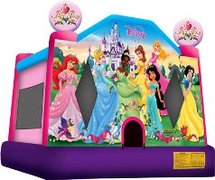
Bouncy castle rentals for themed birthdays work best when the theme shows up in the exterior graphics, and you add your own touches outside the inflatable. Theming the inside is harder than you think and usually not worth the effort. Balloons, a matching banner, and a cake that echoes the castle colors do the job.
For bigger gatherings like school events, church picnics, or corporate family days, you need throughput. The line is your enemy. Inflatable obstacle course rentals shine here, moving riders through a start-to-finish path efficiently. Two-lane designs double the flow and invite friendly races. Pair a large slide with an obstacle course, and you can keep 50 kids rotating happily. For these, have a line manager and a gatekeeper at the entry, then a spotter at the exit.
If you plan evening use, consider a unit with interior lighting or make sure the area is well lit. LED work lights aimed safely away from faces do wonders and prevent the chaotic energy that comes with dusk.
Water or no water
Water changes everything, for better and for planning. A dry combo becomes a destination when you attach the hose, but it also creates mud around the exit. Protect the landing zone with mats or a roll of outdoor carpet. Place the exit where the water can run off without flooding the patio or soaking the electrical cords.
Draining at the end takes longer than most people think. Water collects in seams and at the bottom of slides. If your pickup time is tight and sunset is early, ask the local bounce house company how they handle drainage so you aren’t left with puddles. If drought restrictions exist, verify you’re allowed to run a hose, and consider a misting setup that uses less water while still cooling things down.
Real numbers that help you budget
Pricing varies regionally, but a few patterns hold. A standard inflatable bounce house for a day often ranges from the low hundreds to the mid hundreds, depending on size and demand. Combos and themed units typically add another tier. Inflatable obstacle course rentals and large event pieces can cost several hundred dollars for the day, sometimes more if they require an attendant or a generator. Delivery fees can be flat or distance-based. Expect surcharges for set up on hard surfaces, after-dark pickups, or steep access routes.
If you’re hosting a community event, ask about package pricing. Many companies offer event inflatable rentals that bundle two or three units, cones, a generator, and even attendant staffing at a discount compared to piecemeal bookings. That staffing can be worth every dollar, especially if you want to enjoy the event instead of umpiring a line of ankle-biters.
Working with a local bounce house company
There’s real value in choosing a vendor that knows your area. They’ve dealt with your soil type, wind patterns, and power quirks. They also have relationships with parks departments if your site is public. When you call, pay attention to how they ask questions. Pros will ask about access, power, the surface, shade, wind exposure, and age ranges. They will steer you away from units that don’t fit your space. I trust companies that talk me out of my initial idea when they see a better fit.
Lead time matters in peak seasons. For weekends in late spring and early fall, book two to four weeks ahead. For holiday weekends, longer. If your date is locked and you’re flexible on the unit, tell them that; cancellations happen, and you may snag an upgrade.
Ask about weather policies in plain terms: at what wind speed do they call it? Do they offer rain checks or partial refunds if they cancel for safety? How do they handle last-minute location changes? Knowing this up front removes surprises on party day.
Power, cords, and generators
Inflatables draw a steady load. A basic bounce house blower may pull around 7 to 10 amps. Larger slide blowers and dual-blower setups can double that. You want a dedicated circuit for each blower to avoid tripping. Long extension cords cause voltage drop, which weakens blowers and stresses motors. Professional crews carry thick-gauge cords to reduce drop. If your outlet is more than 50 feet away, flag that in advance.
Generators solve remote power, but they add noise and cost. Quality inverter generators run more quietly, which helps at kids party rentals where the soundtrack shouldn’t be a drone. Place the generator downwind and away from the crowd. Never run a generator in a garage or near open windows. Fuel planning is part of the job; a good vendor brings extra and tracks runtime.
Setup day, without the stress
A smooth setup starts with a clear space and a visible plan. Mow the lawn a couple of days beforehand, not the morning of, or you’ll be peeling clippings off wet vinyl. Turn off sprinklers 24 hours in advance. Mark sprinkler heads, low-voltage lighting wires, or invisible dog fences with flags. Put pets inside during setup. Move patio furniture early so the crew isn’t playing Tetris with heavy vinyl rolls.
During the walkthrough, confirm unit placement, anchor points, and the path to the outlet. Watch where they run the cords and the blower exhaust. Create a small buffer zone around the blower with cones or chairs so kids don’t explore back there. If you’re hosting a larger event, walk the staff through your schedule: when you expect the rush, how you want lines to operate, and who to call if something needs attention.
Matching inflatables to specific scenarios
Backyard birthday, ages three to six: choose a compact birthday party bounce house or a small combo with a gentle slide. Keep the step-in height low. Add a foam play mat at the entrance. Assign one adult to the entrance with a simple counter. You’ll hold to your rider limit without becoming a drill sergeant.
Backyard birthday, ages seven to ten: a medium combo or a two-lane slide works well. Rotate five-minute sets if the guest list is long. Consider a water slide and bounce house combo if temperatures run above 85. Expect more daring behavior and enforce the “feet first” rule early.
Neighborhood block party: throughput is king. Pair a 40-foot obstacle course with a large slide. Put them in parallel so lines don’t cross. Add signage with clear rider rules. If budget allows, hire one attendant from the vendor and recruit a volunteer from the neighborhood to partner up.
School carnival: redundancy reduces downtime. Choose two similar event inflatable rentals so if one goes down briefly, the line splits. Request dedicated power or a generator per unit. Establish wristbands or ticketing to prevent bottlenecks. Most important, build shade and hydration near the lines.
Toddler-only playdate: toddler bounce house rentals with open visibility and a soft entry make all the difference. Keep older siblings out during toddler time and swap later. A bubble machine outside the entrance gives kids something to do while they wait, and it slows the rush.
Cleaning, sanitation, and what “clean” really looks like
Reputable companies clean and sanitize between rentals. The best ones do a quick wipe on arrival, then a deeper clean on return. Vinyl should feel clean to the touch, not slick or sticky. Ask about their disinfectant. You want something effective but safe for skin and lungs. If a unit arrives with debris or stains, speak up immediately. Crews usually carry cleaning kits and will make it right on the spot.
Post-water, expect residual dampness. A towel at the exit keeps mud in check. Tell kids to do a quick wipe-down on feet before they get back on the lawn. If you’re worried about mess on indoor floors, place a runner from the back door to the bathroom.
Weather, cancellation, and game-day pivots
Weather is the classic spoiler, and there’s no magic fix. Build a rain plan. For backyard inflatables, a light drizzle isn’t the end of the world, but slick vinyl raises risk, and heavier rain hurts visibility. High winds are a hard stop. If the forecast looks rough, talk to your vendor a day or two out. Some will allow you to switch from a water unit to a dry bounce house or shift the time earlier to dodge storms. Flexibility beats stubbornness every time.
If you must cancel, companies often allow rescheduling within a window. Event insurance is worth a look for larger gatherings. A modest policy can cover expenses if you must postpone, and venues sometimes require it.
The small extras that make a big difference
A small outdoor rug or rubber mat at the entrance saves ankles and keeps grass out. A collapsible shoe rack nearby prevents the pileup of sneakers. A hand sanitizer dispenser stands tall near the exit. A small table for water cups reduces spills inside the inflatable. An inexpensive decibel monitor lets you place speakers and the generator so the background noise doesn’t creep up unnoticed.
For nighttime parties, glow bracelets help you track kids on the lawn and add a bit of magic. For hot days, offer a simple rotation system so kids cool off between turns. A shady rest zone with folding chairs becomes a natural gathering spot for parents, which in turn makes supervision easier.
When bigger isn’t better
It’s tempting to grab the tallest slide and call it a day. But the right choice balances the wow factor with flow and safety. In tight spaces, a large unit can dominate the yard, block visibility, and create blind corners where kids get rambunctious. Two smaller pieces placed with sight lines often deliver more usable fun. For mixed ages, a giant unit can leave the smaller kids watching from the sidelines. Keep an eye on your guest list and match the scale to the crowd.
There’s also the setup clock. Bigger units take longer to anchor and inspect. If you have a narrow window for delivery and pickup, the crew might be racing the clock, and rushed setup isn’t what you want. Ask the company how long each unit needs so you plan realistically.
Common pitfalls and how to avoid them
The most avoidable problems show up again and again. Power sharing is the first, when someone plugs a pump, lights, and a blower into the same outlet. Trip, reset, repeat. Plan dedicated circuits.
Another is the last-minute site change from grass to pavement without warning. Sandbagging a unit safely takes more time and more weight than most people expect. Give your vendor a heads-up if you think this might happen.
Lastly, underestimating supervision. It’s easy to assume the inflatable runs itself. The parties that feel effortless usually have one or two adults who quietly keep the flow moving, remind kids of rules, and flag the vendor if anything feels off.
A quick pre-event checklist
- Measure your space, including paths, gates, and height clearance, and share dimensions with the vendor. Confirm power: number of blowers, outlet locations, circuit capacity, and whether a generator is needed. Plan supervision: assign adults to entry, lines, and exit, and set simple rider limits by age. Prepare the site: mow earlier, mark sprinklers, clear debris, and designate blower and cord zones. Discuss weather policies and backup options with your vendor two days before the event.
Finding your rhythm on party day
The best parties have a cadence. Kids arrive, shoes come off, a few ground rules get said out loud, and the first group goes in. After a bit, you rotate ages or introduce a game. For obstacle courses, timed runs keep things fresh. For bouncy castle rentals, swap themes outside the inflatable - costumes, music, or a short dance break while another group bounces. As attention spans ebb and flow, you steer gently rather than fight it.
If you’re running water, give a five-minute warning before pauses for snacks or cake. Kids handle transitions better when they know they’re temporary. Dry the entrance mat and wipe the slide ladder so the restart is smooth.
Working within different budgets
You don’t need a massive budget to create a memorable day. A single inflatable bounce house with thoughtful staging can beat a chaotic spread of options. Place it where adults can sit comfortably with a clear view. Add a simple photo spot nearby, maybe with DIY decorations that match the unit’s colors. Offer cold drinks and a few shaded seats. The whole event snaps into focus.
If you have more to spend, invest in throughput and staffing before adding more gimmicks. Two well-chosen units and an attendant from the vendor will stretch further than three poorly matched ones you have to police yourself.
After the party: teardown without the scramble
A clean exit helps everyone. Pick up personal items near the inflatable 15 minutes before pickup. Dry what you can if water was involved. Keep the power connected until the crew is ready to deflate unless they instruct otherwise. Expect a brief inspection for damage. Honest communication goes a long way; if a seam popped or a zipper worked loose, say so right away. Most issues are fixable and minor.
If you loved the experience, ask the company which units pair well for your next event. You’ll learn which pieces move lines quickly, which fit your yard perfectly, and which themes stay in event inflatable rentals demand. Building a relationship with a reliable local bounce house company means faster answers and better recommendations down the line.
The bottom line
Great party inflatable rentals don’t happen by accident. They happen when you match the unit to the age range, size of the group, and space, then back it up with power, anchors, and clear supervision. Backyard inflatables keep small parties tight and happy. Large event inflatable rentals thrive on flow and visibility. A water slide and bounce house combo can transform a hot day, while a well-positioned obstacle course turns a crowd into a cheering section.
If you measure carefully, ask the right questions, and work with a vendor who knows their craft, the inflatable becomes the centerpiece you barely have to think about. Kids bounce, neighbors chat, photos get snapped, and the day finds its rhythm. When the truck pulls away and the yard goes quiet, you’ll still hear the echoes of laughter, and you’ll already be plotting the next time.